

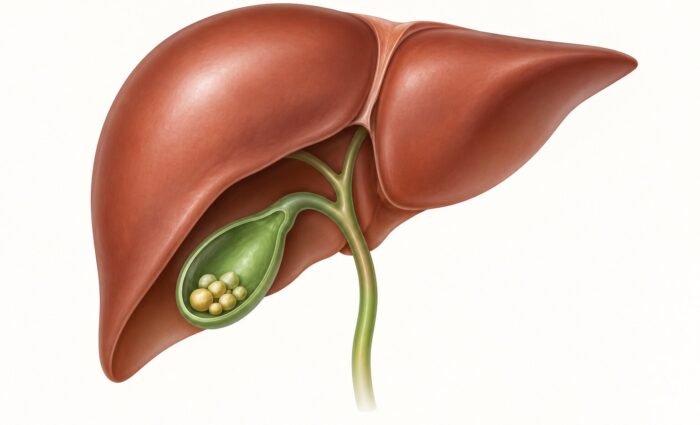
Mounjaro and other medicines used for weight loss can be associated with gallstones and gallbladder inflammation. The overall risk is low, but symptoms should be assessed promptly because gallstones can occasionally cause jaundice, infection or pancreatitis.
Can Mounjaro & other GLP-1 drugs cause gallstones?
Mounjaro is the brand name for tirzepatide, a medicine that acts on GIP and GLP-1 receptors. Formation of gallstones, gallbladder inflammation and pancreatitis are recognised side effects, as they are with other GLP-1 medicines used for diabetes or weight loss.
Any rapid or significant weight loss can increase the risk of gallstones. The risk may therefore depend on the medicine, how quickly you lose weight and other risk factors.
Which medicines are included?
Medicines in this area include:
- Mounjaro (tirzepatide), a combined GIP and GLP-1 receptor agonist
- Wegovy and Ozempic (semaglutide)
- Saxenda (liraglutide)
- Other GLP-1 receptor agonists prescribed for diabetes or weight management
What symptoms might suggest gallstones?
Symptoms may include:
- Pain in the upper abdomen or beneath the right ribs
- Pain spreading to the right shoulder, flank or back
- Pain after eating, particularly after a rich or fatty meal
- Nausea or vomiting associated with abdominal pain
- Episodes lasting from approximately 30 minutes to several hours
Nausea, indigestion and abdominal discomfort can occur with weight-loss medicines for reasons unrelated to gallstones. Finding gallstones on a scan also does not prove that they explain every symptom, so careful clinical assessment is important.
Read more about gallstones and gallbladder conditions
When should I seek urgent medical help?
Seek urgent medical advice if you develop:
- Severe or persistent abdominal or back pain
- Repeated vomiting or an inability to keep fluids down
- Fever, shivering or feeling acutely unwell
- Yellowing of the skin or eyes
- Dark urine or pale stools
- Confusion, faintness or marked weakness
These symptoms may indicate acute cholecystitis, bile-duct obstruction, cholangitis or pancreatitis.
Contact NHS 111 or attend an emergency department if symptoms are severe or worsening. Call 999 in an emergency.
How are possible gallstones investigated?
Assessment normally includes a review of your symptoms, weight-loss history, medicines, medical history and previous gallbladder problems.
Investigations may include:
- Blood tests to look for inflammation, infection, liver disturbance or pancreatitis
- An abdominal ultrasound to identify gallstones, inflammation or enlarged bile ducts
- MRCP or another scan if a stone within the bile duct is suspected
Do I need to stop Mounjaro / other GLP-1 medicines?
Developing gallstones does not automatically mean that treatment must be stopped permanently. The decision depends on your symptoms, whether complications are present, the reason for treatment and the balance of benefits and risks.
Do not stop or restart prescribed medication solely on the basis of information on this page. Contact the prescribing clinician for individual advice. If pancreatitis is suspected or diagnosed, urgent medical assessment and medicine-specific guidance are required.
What if I already have gallstones before starting treatment?
Gallstones found incidentally and causing no symptoms do not usually require an operation simply because weight-loss treatment is being considered.
Specialist assessment may be helpful before starting treatment if you have:
- Typical or recurrent gallstone pain
- Previous acute cholecystitis
- Gallstone pancreatitis
- Jaundice or previous bile-duct stones
In some patients, treating symptomatic gallstones before further weight loss may reduce the risk of recurrent attacks or complications. For others, continuing GLP-1 treatment to lose more weight first may reduce surgical risks. The decision should be individualised.
How are symptomatic gallstones treated?
The only definitive treatment for symptomatic gallstones is laparoscopic cholecystectomy, which removes the gallbladder together with the stones.
Most planned operations are performed under general anaesthesia and are intended as day-case procedures.
Read about laparoscopic gallbladder removal
What happens to my medication around surgery?
GLP-1 and related medicines can delay stomach emptying, which may affect planning for general anaesthesia or sedation. Tell the surgeon, anaesthetist and pre-assessment team exactly which medicine you take, your dose and when you last took it.
Instructions about continuing or temporarily withholding treatment vary according to the medicine, symptoms, procedure and individual risk. Follow the specific advice provided by the hospital rather than applying a general stopping interval.
Can treatment continue after gallbladder removal?
Many patients can continue or restart weight-management treatment after recovering from gallbladder surgery.
The appropriate timing depends on recovery, eating and drinking, gastrointestinal symptoms, diabetes treatment and the advice of the prescribing clinician.
Why choose Mr Simon Wood?
Mr Simon Wood is a Consultant General and Upper Gastrointestinal Surgeon with particular expertise in gallstones, gallbladder disease and in managing patients using GLP-1 medications.
He has:
- Performed more than 1,000 laparoscopic cholecystectomies, treating straightforward and complex gallstone disease
- Specialist training and fellowship experience in General and Upper Gastrointestinal Surgery, including in Adelaide, Australia
- A Master’s degree in Minimally Invasive Surgery
- National surgical leadership experience in Wales and teaching experience at the Royal College of Surgeons of England
- High patient ratings reflecting his expertise and quality of care
View private gallbladder surgery in South Wales
Frequently asked questions
Does everyone taking Mounjaro develop gallstones?
No. Gallbladder problems affect only some patients on GLP-1 medications. Risk varies with factors including predisposition to gallstones, individual health and the amount and speed of weight loss.
Are all abdominal symptoms caused by gallstones?
No. Weight-loss medicines can cause nausea, vomiting, indigestion and abdominal discomfort without gallstones. Other abdominal conditions can also cause similar symptoms.
Do silent gallstones need removing before Mounjaro treatment?
Usually not. Gallstones that have never caused symptoms commonly require no treatment. Previous complications or typical symptoms may justify specialist assessment.
Can losing weight slowly prevent gallstones?
Avoiding unnecessarily rapid weight loss may reduce one recognised risk factor, but it cannot guarantee that gallstones will not develop. Follow the treatment and dietary plan agreed with your prescribing team.
How much does private gallbladder treatment cost?
A private consultation with Mr Wood currently costs £185. Planned day-case laparoscopic gallbladder surgery currently starts from approximately £6,935, excluding the initial consultation.
Costs are indicative and depend on individual requirements and hospital charges.
View private gallbladder surgery costs
Arrange a private gallbladder consultation
If you develop gallstone symptoms while taking Mounjaro or another GLP-1 medicine, or you have known gallbladder disease before starting weight-loss treatment, you can arrange a private consultation with Mr Simon Wood at St Joseph’s Hospital in Newport.
Your symptoms, blood results and imaging will be reviewed, and the most appropriate next steps—including whether surgery is indicated—will be discussed alongside the clinicians responsible for prescribing your medication.
Initial consultation: £185